

1. Saving Money on Cruise Booking: Focus on Time and Cabin Options
To “win at the starting line” in terms of price, there are usually a few simple ways to do so.
- Choose off-season or peak season: Avoid summer and winter holidays, public holidays, and long weekends. Choosing January for the Caribbean, May, or September for Alaska often results in tickets being hundreds or even thousands of dollars cheaper than during peak season.
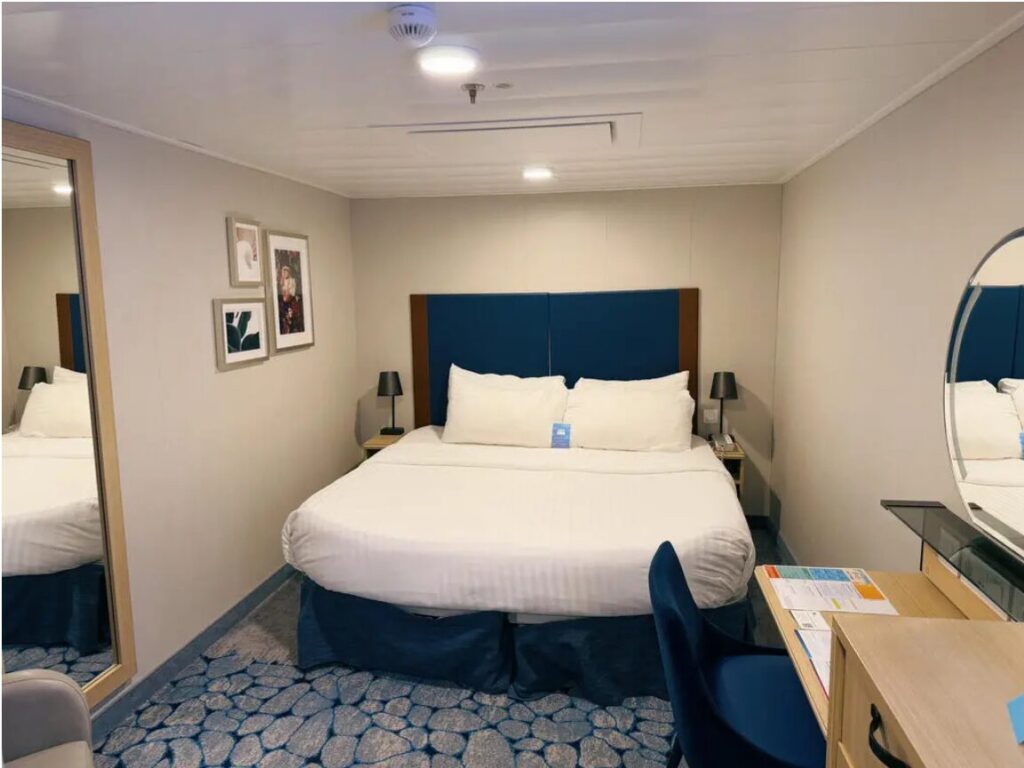
- Choose inside cabins or “guaranteed cabins”: If you won’t be spending much time in your room, inside cabins are the most cost-effective option; being willing to accept random cabin assignments (GTY) can further reduce the price.
- Book in advance and keep an eye on prices: The earlier you book, the more cabin options you’ll have and the more favorable the prices; many companies allow price adjustments before final payment, or you can ask a travel agency to help you find price drops.
- Utilize reliable travel agencies: Experienced agents not only save you time but may also get you access to group rates, onboard spending allowances, and other extra benefits not available to the public.
2. Pre-Departure Preparations: Eliminating Problems Before Boarding
Many people believe that “the real vacation begins the moment you board the ship,” but a truly smooth cruise is built on a solid foundation before departure.
- Familiarize yourself with online itinerary planning tools: After booking your cruise, log in to the cruise line’s online “Planning Center” to preview shore excursions, beverage and internet packages, specialty restaurants, and spa services, and select the items you truly care about.
- Evaluate beverage packages based on your drinking habits: Consider the cost of individual drinks, how many cocktails you’ll likely drink per day, and whether you prefer coffee and soda. Calculate these factors to avoid blindly buying a package costing $60-70 per day that you won’t actually use.
- Book shore excursions and add-ons early: Shore excursions, Wi-Fi, and specialty meals sometimes increase in price closer to departure, and good seats and times sell out quickly. Booking in advance not only saves money but also allows for easy cancellation and rebooking if prices drop.
- Never book flights on the departure day: Fly to the departure city at least one day in advance to allow for weather, delays, and transfer issues, avoiding the nightmare scenario of “the ship won’t wait for you.”
- Join the cruise community in advance: Search for groups for the same cruise on social media platforms to learn about themed nights, clothing styles, fun shore excursions, and even arrange small gatherings on board.
- Purchase travel insurance and prepay service fees: Insurance can protect you from alarming expenses in case of medical emergencies, cancellations, or interruptions; paying service fees (tips) in advance locks in current rates and makes onboard billing clearer.

3. Packing Checklist: Preparing for “on board” and “in port”
How well you pack your luggage determines whether you’re “always on the go” or “effortlessly” on board.
- Documents and Documents
- Check that your passport is valid for more than six months; only on a few closed-loop routes to and from the US can a birth certificate + ID be used, but a passport is always safer.
- Make copies of your passport and driver’s license, and print out your hotel, boarding time, and shore excursion confirmations. Keep a paper copy in case your phone is unreachable or your documents are lost.
- Essential Items and Electronic Devices
- Bring a reusable water bottle. It’s convenient for refilling water at the buffet and can be carried ashore, saving money and being environmentally friendly.
- Download the official cruise app before departure. Onboard, you can directly view daily activities, operating hours, and make reservations for programs and restaurants without relying on the onboard network.
- Check the prohibited items list, typically including steam irons, power strips (especially those with surge protection), candles, drones, and some alcoholic beverages, to avoid being detained and delayed at boarding.
- Medications and Carry-on Baggage
- Pack prescription medications, common medications, contact lenses, and digital devices in your carry-on bag, not your checked luggage, as you usually won’t receive your checked baggage until the afternoon or evening.
- Always bring painkillers, cold medicine, seasickness medicine, and stomach medicine. These can be bought on board, but are often expensive, and your preferred brands may not be available. Bringing some for your own use is more reassuring.
- Clothing and Packing
- Don’t wear brand new shoes on the ship. Shoes that have been broken in are the best companions for walking on land. The ship is large; after a few laps a day, your feet will honestly tell you which shoes fit best.
- Use packing cubes to pack your clothes in smaller portions. Once you get to your room, you can put the whole bag in a drawer or closet. If you’re only bringing a carry-on suitcase, compressed packing is especially useful.
- Familiarize yourself with each airline’s rules regarding bringing your own alcohol and beverages. Some allow one bottle of wine or a small case of soda per person. Using these wisely can significantly reduce beverage expenses.
4. Day 1 on Board: Starting with Turning Off Mobile Data
The first few hours after boarding are crucial for setting the tone for the entire trip.
- Turn off mobile data first: Even if you’ve purchased a Wi-Fi plan, it’s best to immediately switch your phone to airplane mode, leaving only Wi-Fi available, to prevent your phone from automatically connecting to expensive roaming signals at sea.
- Avoid the first day’s buffet rush: Most people rush to the buffet restaurant as soon as they board. Instead, try the deck snacks, burger bar, or pizza corner – quieter and without long lines.
- Bring a change of clothes and swimwear: Before your cabin is ready in the afternoon, head to the pool and waterslides to “snatch up” early. This is usually the least crowded water activity you’ll ever have on board.
5. Every Day on Ship: Bringing “City Habits” to Shanghai
Truly smart cruise passengers know how to choose different “personalities” at different times: sometimes as a tourist, sometimes as a semi-local.
- Make good use of “port days”: When most people disembark for sightseeing, the decks, pools, popular attractions, and spas are less crowded and more affordable – the golden time to enjoy the “semi-empty ship” facilities. – Learn to lighten the load on your phone and wallet: Many cabins have hidden USB ports (such as on the bedside phones). Find them to charge multiple devices when there are limited outlets.
- Don’t be shy about ordering: If the menu doesn’t suit your taste, politely ask if there are hidden options like children’s meals, light meals, or vegetarian options. If you have dietary restrictions, inform the staff on the first day; many companies can prepare special meals in advance.
- Don’t forget loyalty programs: You might not see the difference on a single voyage, but accumulating points in a frequent guest program will gradually unlock benefits such as free drinks, priority boarding, laundry services, and discounted restaurants.
6. Exploring Shore Excursions: Safety and Affordability
Port tours aren’t always mandatory, but regardless of the method chosen, pay attention to time and safety.
- Self-guided tours are cheaper than all-inclusive tours: In many ports, taking a taxi to a nearby beach or walking into the city is much cheaper than official bus tours; the key is to check the route beforehand and allow enough time for the return trip.
- Third-party carriers are an alternative: When cruise itineraries are sold out or prices are high, consider reputable third-party carriers. They usually have fewer passengers, more flexible routes, and sometimes more attractive prices.
- Make good use of shore-based Wi-Fi: If you don’t want to buy internet access throughout the trip, you can use the Wi-Fi in cafes and restaurants to send messages to family, sync photos, or check emails. This is much cheaper than onboard internet.
- Ask for crew recommendations: Crew members who regularly travel the same routes often know best where to eat and which restaurants are reliable. Sometimes a casual recommendation can lead to an unexpectedly good experience.
- Download offline maps in advance and use the same “onboard time”: Port time and ship time may differ. Always use the ship’s time. If necessary, bring a watch specifically set to “ship time” to avoid your phone automatically changing time zones.
- To save on drinks, drink on shore: Many bars around the docks offer local beer deals of “two for a few dollars,” which is much more affordable than the often over ten dollars a glass of cocktail onboard.
7. The Last Night to Disembarkation: A Graceful Ending
Many people only start frantically packing and checking out on their last night. However, starting half a day in advance can ensure a dignified return trip.
- Check your bill the night before: If you find any overcharges, errors, or items that need adjustment, resolve them at the front desk on the spot. This is much more efficient than contacting customer service after you get home.
- Consider disembarking with your luggage: If you’re rushing to catch a flight or want to leave the ship early, you can choose “self-service disembarkation”—don’t check your luggage and be among the first passengers to disembark.
- Give yourself a “reason to say goodbye”: Many companies offer onboard booking discounts. You can use a lower deposit or extra onboard credit for your next voyage to secure a “return ticket” on the last day, giving your journey a forward-looking conclusion.
From the moment you book your ticket to drag your luggage down the gangway, every small decision subtly determines the comfort and value of your trip. True “cruise veterans” aren’t necessarily those who have sailed countless times, but rather those who have learned to focus their time, money, and energy in the right places, allowing this fleeting sea city to become their own little world within a limited few days.